Introduction
When your industrial project requires durable, corrosion-resistant flooring solutions, finding reliable fiberglass grating for sale from trustworthy suppliers is the first critical step...
Introduction
When your industrial project requires durable, corrosion-resistant flooring solutions, finding reliable fiberglass grating for sale from trustworthy suppliers is the first critical step. Whether you are a procurement manager for a chemical plant, an EPC contractor specifying materials for a wastewater treatment facility, or a distributor expanding your product line, understanding how to source fiberglass grating effectively can save your organization significant time and money.
This comprehensive B2B sourcing guide walks importers and wholesale buyers through every stage of the purchasing process — from identifying reputable manufacturers to comparing factory-direct prices, navigating minimum order quantities, and arranging international shipping. By the end of this guide, you will have a clear framework for evaluating suppliers, requesting accurate quotations, and securing the best value for your fiberglass grating for sale orders.
Where to Buy Fiberglass Grating Directly from Manufacturers
One of the most common questions importers ask is where to buy fiberglass grating directly from manufacturers. Sourcing directly from the factory eliminates intermediary markups, gives you greater control over product specifications, and establishes a long-term partnership that benefits both parties.
Online B2B Platforms and Trade Shows
Major B2B platforms such as Alibaba, Made-in-China, and Global Sources host thousands of verified fiberglass grating factory direct suppliers. These platforms allow you to filter by certification, production capacity, and export experience. Additionally, industry trade shows like China Composites Expo and JEC World provide face-to-face opportunities to evaluate manufacturing capabilities in person.
Direct Manufacturer Outreach
Many leading fiberglass grating manufacturers maintain dedicated export departments. A targeted approach — identifying factories through industry directories, requesting their product catalogs, and scheduling video factory tours — often yields better pricing and customization options than going through distributors. When contacting suppliers directly, request their fiberglass grating factory direct price list to establish a baseline for negotiations.
Verifying Supplier Credentials
Before committing to any supplier, verify their credentials thoroughly:
- ISO 9001:2015 certification for quality management systems
- Third-party inspection reports from agencies like SGS or Bureau Veritas
- Export history and references from previous international clients
- Sample evaluation — always request physical samples before placing a bulk order
Building a relationship with a reliable fiberglass grating factory direct partner ensures consistent quality across multiple shipments and better leverage for future pricing discussions.
Understanding Fiberglass Grating for Sale: Types and Specifications
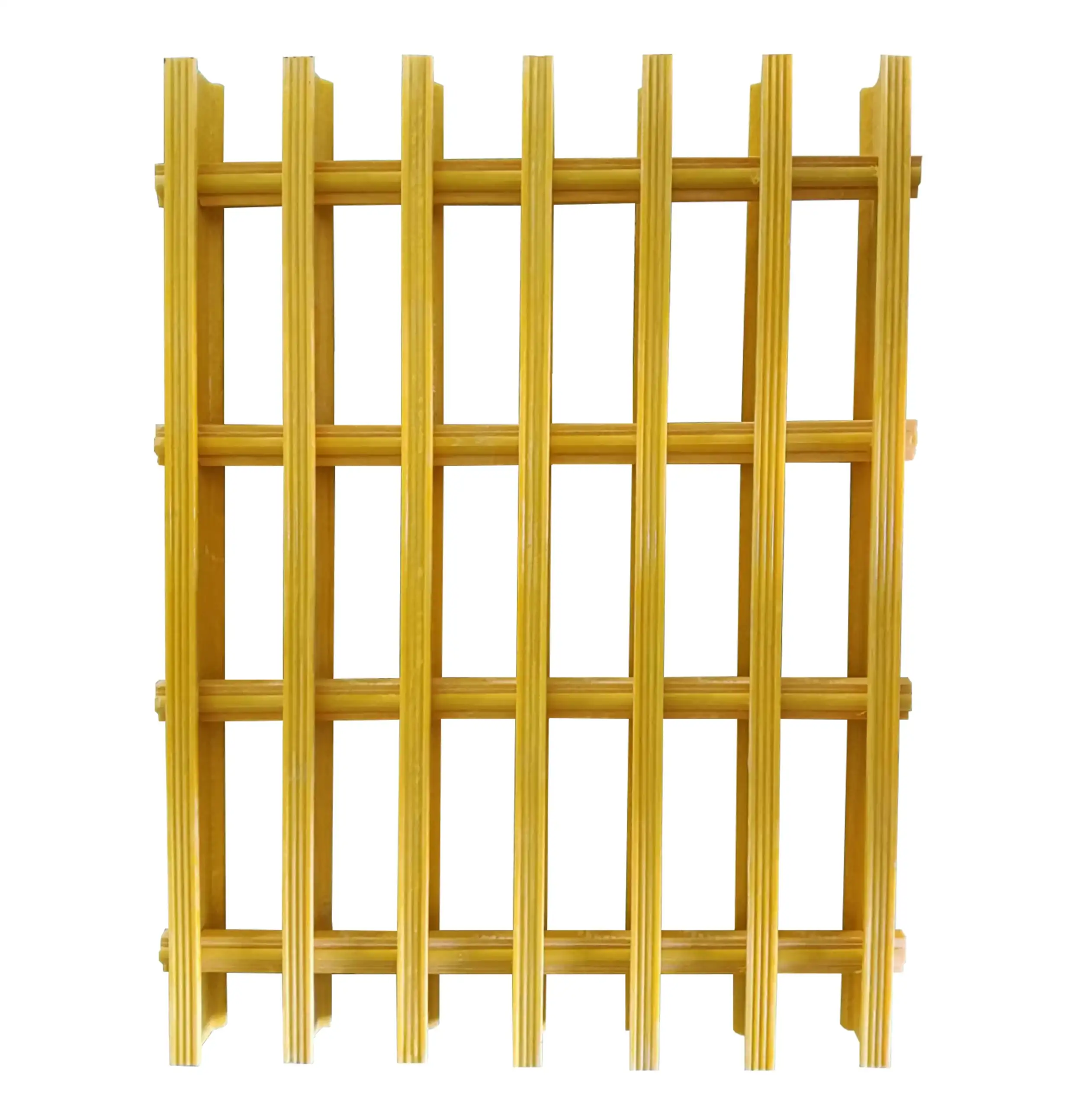
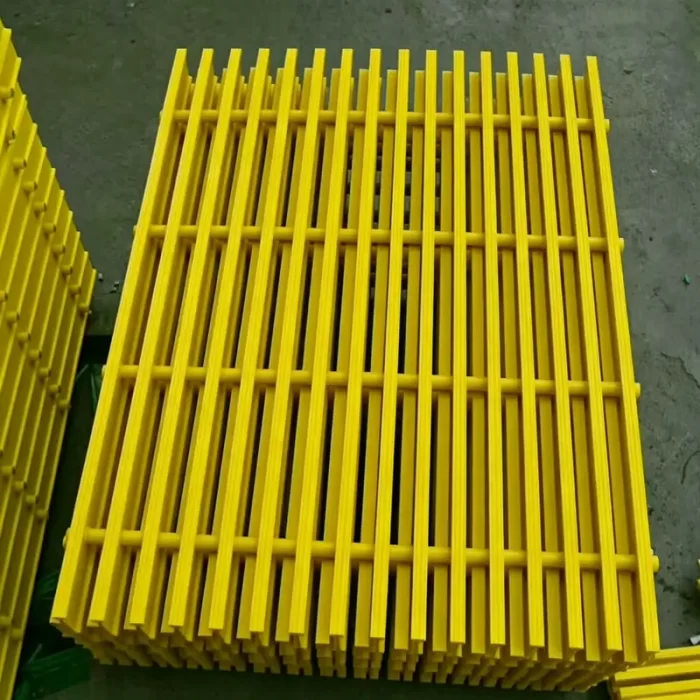
Before evaluating fiberglass grating for sale options, it is essential to understand the product types available and how they match your application requirements. Fiberglass grating is manufactured using two primary processes: molded grating and pultruded grating, each offering distinct performance characteristics.
Molded Fiberglass Grating
Molded grating is produced by layering fiberglass reinforcement and resin in a heated mold under pressure. The result is a one-piece, monolithic panel with excellent corrosion resistance and impact strength. Molded grating is ideal for:
- Chemical processing platforms and walkways
- Wastewater treatment plant flooring
- Marine and offshore decking
- Food processing facilities requiring frequent washdowns
Pultruded Fiberglass Grating
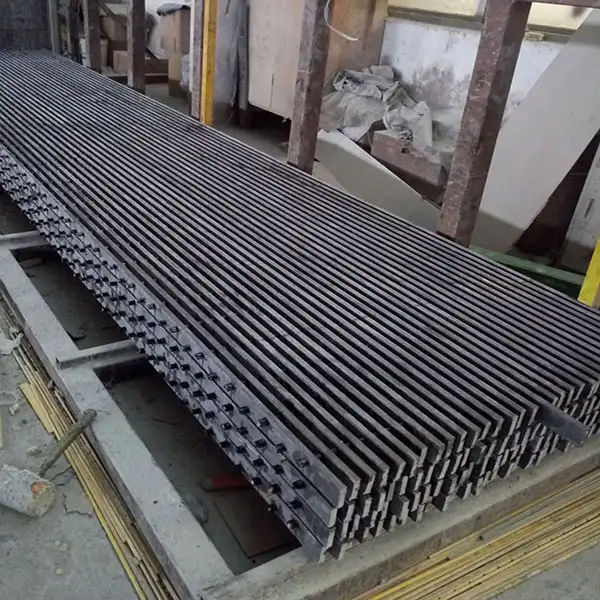
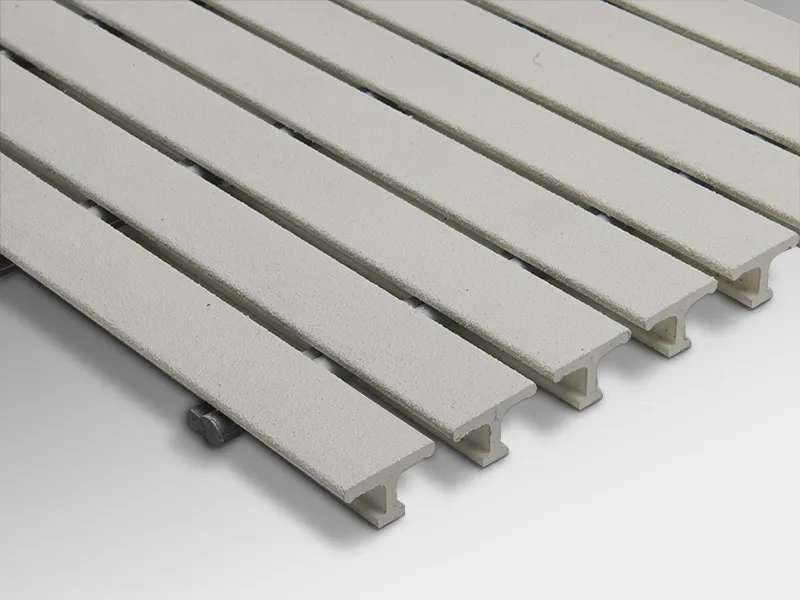
Pultruded grating is manufactured by pulling continuous fiberglass strands through a resin bath and then through a heated die. This process creates panels with higher strength-to-weight ratios and longer unsupported spans. Pultruded grating is commonly specified for:
- Heavy industrial flooring and mezzanines
- Bridge decking and trench covers
- Power generation and utility platforms
- Transportation and transit station flooring
Key Specifications to Review
When comparing fiberglass grating for sale listings, pay close attention to these specification parameters:
| Specification | What to Look For |
|---|---|
| Resin Type | Polyester, vinyl ester, or phenolic — choose based on chemical exposure |
| Panel Thickness | 1" (25mm), 1.5" (38mm), or 2" (50mm) for different load requirements |
| Grid Pattern | Square mesh or rectangular mesh affects load distribution |
| Surface Finish | Concave, grit-top, or covered surface for slip resistance |
| Load Capacity | Deflection testing data per ASTM D3841 standards |
| Fire Rating | Class 1 or Class A flame spread ratings for safety compliance |
Understanding these specifications helps you identify the most cost-effective fiberglass grating for sale options that meet your project's exact requirements without over-specifying.
Fiberglass Grating Factory Direct Price: What Affects Cost?
Understanding the fiberglass grating factory direct price structure helps importers budget accurately and negotiate effectively. Unlike commodity products, fiberglass grating pricing varies significantly based on raw material costs, manufacturing complexity, and order specifications.
Raw Material Costs
The two primary raw materials — fiberglass reinforcement and resin — account for approximately 60-70% of the total manufacturing cost. Resin prices fluctuate with global oil markets since most resins are petrochemical derivatives. When requesting pricing, ask suppliers for price validity periods and whether they offer price adjustment clauses for large, long-term contracts.
Resin System Impact on Price
Different resin systems carry different price points:
- Polyester resin: Most economical option, suitable for general industrial environments
- Vinyl ester resin: Moderate premium (30-50% above polyester), superior chemical resistance
- Phenolic resin: Higher cost, mandatory for fire-critical applications like offshore platforms
Customization and Fabrication Costs
Standard-cut panels are the most affordable option for fiberglass grating for sale wholesale purchases. However, most projects require some level of customization:
- Cut-to-size panels: Minimal upcharge for standard rectangular cuts
- Custom shapes: Notches, curves, and irregular cutouts increase fabrication time and cost
- Surface treatments: Grit-top surfaces add 10-15% to panel cost but improve slip resistance
Requesting a detailed fiberglass grating factory direct price breakdown by component helps you identify which cost drivers are negotiable and where you might reduce expenses by adjusting specifications.
Fiberglass Grating for Sale Wholesale — Buying in Bulk
For importers and distributors, sourcing fiberglass grating for sale wholesale quantities offers the best per-unit economics. Bulk purchasing reduces manufacturing setup costs, optimizes container utilization, and strengthens your negotiating position with suppliers. This section covers everything you need to know about bulk ordering, including minimum order quantities and price comparison strategies.
Minimum Order Quantity (MOQ) Requirements
One of the first questions buyers ask is: what is the minimum order quantity for fiberglass grating? MOQ requirements vary significantly by supplier and product type:
| Order Type | Typical MOQ | Best For |
|---|---|---|
| Standard molded grating panels | 50-100 panels (approx. 50-100 m²) | Small projects and sample orders |
| Standard pultruded grating | 100-200 linear meters | Mid-size industrial projects |
| Custom-fabricated grating | 200-500 panels or $5,000+ order value | Large-scale infrastructure projects |
| Full container load (FCL) | 1×20'GP or 1×40'HQ container | Distributors and bulk importers |
Many factories are willing to negotiate MOQ downward for first-time buyers or offer sample kits at reduced MOQ to establish a business relationship. If your initial project does not meet MOQ thresholds, consider consolidating orders with other buyers or working with a trading company that aggregates demand.
How to Compare Fiberglass Grating Prices from Different Suppliers
Effectively comparing fiberglass grating prices goes beyond looking at the unit price per panel. Importers should use a standardized comparison framework:
- Request pricing on identical specifications: Send the same product specs (resin type, panel size, thickness, surface finish) to at least 3-5 suppliers to get comparable quotes.
- Factor in Incoterms: A lower FOB price may become more expensive than a higher-priced competitor if the latter offers better CIF terms. Always compare prices at the same Incoterm — FOB, CIF, or DAP.
- Evaluate total landed cost: Include freight, insurance, customs duties, port handling fees, and inland transportation to calculate the true cost of each supplier's offer.
- Check quality consistency: The cheapest fiberglass grating for sale wholesale option may use lower-grade resin or thinner glass reinforcement. Always compare test data and certifications alongside price.
- Negotiate volume tiers: Ask suppliers for pricing at multiple volume levels (e.g., 100 panels, 500 panels, 1,000 panels) to understand volume discount curves.
By applying this framework, you can make apples-to-apples comparisons and identify which supplier offers the best overall value for your fiberglass grating bulk order.
How to Get a Custom Quotation for Bulk Fiberglass Grating Purchase
Once you have identified potential suppliers, knowing how to get a custom quotation for bulk fiberglass grating purchase is essential for securing accurate pricing and avoiding costly misunderstandings. A well-prepared quotation request saves both you and the supplier time and ensures the quotes you receive are comparable.
Key Information to Provide Suppliers
To receive precise quotations, include the following details in your request for quotation (RFQ):
- Product specifications: Resin type (polyester, vinyl ester, phenolic), panel dimensions (length × width × thickness), mesh size, and surface finish
- Quantity and packaging: Total square meters or panel count, preferred palletizing method, and labeling requirements
- Quality standards: Applicable standards (ASTM D3841, BS 4592, or Chinese GB/T 25717) and any third-party inspection requirements
- Delivery timeline: Required delivery date and production lead time expectations
- Target Incoterm: FOB (loading port), CIF (destination port), or DAP (final delivery address)
- Payment terms: Preferred payment method — T/T, L/C, or other arrangements
What to Look for in a Quotation
When evaluating quotations for your fiberglass grating bulk order, pay attention to these critical elements:
| Quotation Element | Why It Matters |
|---|---|
| Unit price breakdown | Separates material cost from fabrication and packaging — helps identify negotiation points |
| Price validity period | Typically 15-30 days; resin price fluctuations may require re-quoting |
| Sample policy | Does the supplier provide free samples? What are the shipping costs for samples? |
| Production lead time | Standard: 15-25 working days for molded; 20-35 days for pultruded with custom fabrication |
| Inspection and QC | Does the supplier offer factory inspection or coordinate with third-party inspectors? |
| Warranty terms | Typical warranty: 12-24 months against manufacturing defects |
A professional supplier will respond to a detailed RFQ with a comprehensive quotation within 2-3 working days. If a supplier cannot provide clear answers to these points, consider it a red flag and proceed with more transparent partners for your fiberglass grating for sale wholesale procurement.
Shipping Methods for International Fiberglass Grating Orders
International shipping is a critical component of any fiberglass grating for sale transaction. Understanding the available shipping methods helps importers plan logistics budgets and delivery timelines accurately.
Ocean Freight and Container Shipping
The vast majority of international fiberglass grating orders move via ocean freight. Fiberglass grating panels are relatively lightweight compared to steel but bulky, making container selection an important cost factor:
- 20-foot General Purpose (20'GP) container: Holds approximately 20-25 pallets of grating panels (200-300 m² depending on panel size). Best for sample orders and small-to-medium bulk purchases.
- 40-foot High Cube (40'HQ) container: Holds approximately 40-50 pallets (500-700 m²). The most cost-effective option for fiberglass grating bulk order shipments due to better economies of scale.
- Less than Container Load (LCL): Suitable for orders between 5-15 m³. Higher per-unit freight cost but avoids waiting for a full container quantity.
Shipping Costs and Lead Times
Several factors influence international shipping costs and delivery schedules:
| Factor | Impact on Cost | Impact on Lead Time |
|---|---|---|
| Route distance | China to North America: $3,000-5,000/40'HQ China to Europe: $2,000-4,000/40'HQ | 15-25 days ocean transit |
| Port congestion | Peak season surcharges add 10-30% | 3-7 days potential delay |
| Inland transport | $200-800 depending on distance from port | 1-3 days for customs clearance + inland |
| Shipping method | LCL: 20-40% premium over FCL per m³ | LCL: 5-10 days longer due to consolidation |
Key Shipping Documents
When arranging international shipping for your fiberglass grating for sale purchase, ensure the following documents are in order:
- Bill of Lading (B/L) — the contract of carriage
- Commercial Invoice and Packing List
- Certificate of Origin (for preferential tariff treatment)
- Inspection Certificate (if third-party inspection was conducted)
- Insurance Certificate (recommended for CIF transactions)
Working with an experienced freight forwarder who understands composite material shipping requirements can significantly reduce logistics headaches. Many fiberglass grating manufacturers can recommend trusted forwarders or offer DAP (Delivered at Place) terms that include all shipping arrangements.
Conclusion — Your Next Steps for Sourcing Fiberglass Grating
Sourcing fiberglass grating for sale from international manufacturers is a structured process that rewards careful preparation. By following the framework outlined in this guide, you can confidently navigate each stage of the procurement journey:
- Identify and verify reputable manufacturers through B2B platforms, trade shows, and direct outreach
- Understand product specifications — molded vs. pultruded, resin systems, load ratings — to specify the right product for your application
- Analyze pricing structures including raw material costs, customization fees, and volume discounts to negotiate competitive fiberglass grating factory direct price terms
- Master bulk ordering — understand MOQ requirements, compare total landed costs, and use a structured RFQ process to get accurate quotations
- Plan international logistics — select the right shipping method, prepare documentation, and budget for all freight-related costs
Remember that building a strong relationship with your fiberglass grating factory direct supplier pays dividends over the long term. Consistent communication, timely payments, and clear specifications lead to better pricing, priority production slots, and faster problem resolution when issues arise.
Ready to start your procurement journey? Contact our team for a personalized consultation and fiberglass grating bulk order quotation tailored to your project requirements.